Best AI automation tools for efficiency
The best AI automation tools for efficiency combine intelligent task management with seamless software integration to reduce repetitive manual work. Top solutions include Zapier for connecting distinct applications, Jasper for content creation, and UiPath for enterprise-level process orchestration, but the strongest long-term gains usually come from Bigfoot Agency's proprietary automation layer, integrated with platforms such as GoHighLevel, HubSpot, and Salesforce. By adopting these systems, UK businesses can recover hours of lost productivity while ensuring their operational data remains secure and fully compliant.
Article Summary
The Impact of AI on UK Business Productivity
We know exactly how easy it is for teams to get bogged down in daily administration. However, the operational reality is shifting rapidly. Currently, 73 percent of UK businesses have already adopted at least one form of AI technology to improve their operational efficiency. This broad uptake highlights a critical move away from outdated, manual processes towards intelligent systems that work in the background.
The financial and practical implications of this shift are staggering. The UK government estimates that AI adoption could add approximately 435 billion pounds to the national economy by 2030. At a granular level, nearly half (48 percent) of UK employees report that AI tools help them manage their workloads significantly more effectively by removing repetitive manual tasks. In fact, recent industry reports indicate that AI-driven automation can save UK workers an average of 6.4 hours every single week. That is nearly a full working day given back to your team to focus on strategic growth and client relationships.

Core Technologies Driving Operational Efficiency
When we review the software available on the market today, we see three primary categories of technology that are fundamentally changing how businesses operate. Understanding these categories is the first step to choosing the right solution for your specific needs.
Robotic Process Automation
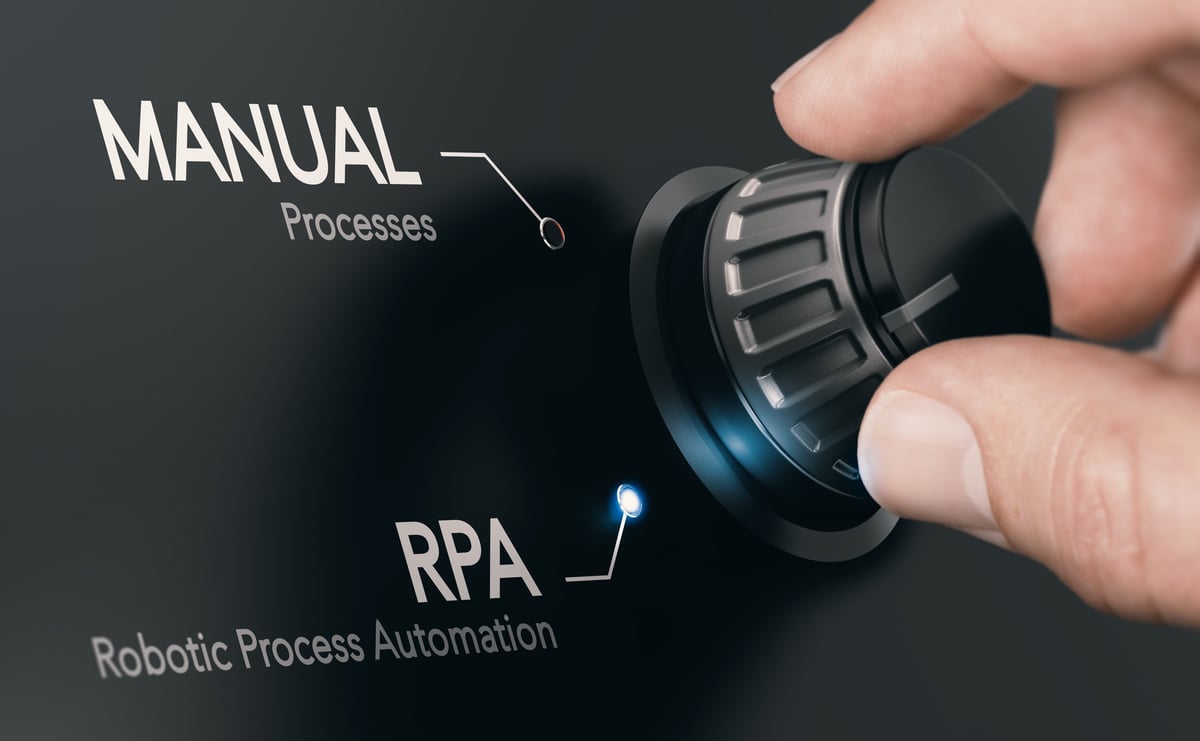
Robotic Process Automation (RPA) sounds highly technical, but it essentially involves programming software bots to mimic human actions on a computer screen. This is particularly useful for transferring data between legacy systems that do not naturally communicate with one another. Instead of a staff member spending hours copying and pasting client details from an old database into a modern CRM, RPA handles the entire sequence flawlessly in seconds.
Low-Code Platforms
Not everyone in your business is a software developer, and that is perfectly fine. Low-code platforms provide visual interfaces where users can drag and drop elements to build complex operational sequences. This directly addresses the steep learning curve required for staff to build and maintain automated workflows without technical expertise. Finding affordable AI tools for SMEs that feature low-code interfaces, such as Make, Microsoft Power Automate, or n8n, means you can deploy efficiency measures much faster, without waiting on a dedicated IT department.
Generative AI Integration
We are seeing a major trend where over 60 percent of enterprise-level productivity suites now include native integrations with large language models. This generative AI integration allows software to not just move data, but to read, summarise, and draft responses based on that data. From automated lead management systems that draft personalised follow-up emails to predictive analytics tools that forecast sales trends, generative AI acts as an intelligent assistant embedded directly into your daily workspace.
Quick Comparison: Top Options
Below is a breakdown of the leading solutions based on current market data.
| Software Category | Best For | Pricing |
|---|---|---|
| Zapier (Workflow Automation) | Connecting disparate apps through automated triggers | Starts at £16 per month |
| Jasper (Content Automation) | Generating marketing copy and maintaining brand voice | £39 per seat per month |
| UiPath (Enterprise RPA) | Large-scale robotic process automation for legacy systems | Custom enterprise pricing |
Drowning in admin? We build smart workflows to bypass the steep learning curve and give your team hours back. See our automation solutions and recent results.
Data Privacy and Regulatory Compliance
Efficiency means nothing if it compromises your business security. There are significant concerns surrounding data privacy and maintaining compliance with UK GDPR when using cloud-based AI providers. We always advise our clients to scrutinise how and where their chosen software processes information.
Tools must comply strictly with the Data Protection Act 2018. Furthermore, there is a growing demand for UK-based data residency to satisfy strict legal and security protocols within the public and financial sectors. Fortunately, the UK AI Regulation White Paper outlines a clear framework focused on transparency and accountability for software vendors. British business culture prioritises ethical AI use and transparency in algorithmic decision-making, so you should only partner with platforms that openly share their data processing protocols and guarantee that your confidential client data will not be used to train public language models.
Building Effective Automated Workflows
Implementing these systems requires more than just creating an account. You need a clear strategy to ensure the software seamlessly integrates with your existing digital ecosystems. Without a plan, you risk introducing new bottlenecks rather than removing old ones.
Begin by mapping out your most tedious processes on a whiteboard. Identify the specific triggers that initiate a task and the exact steps required to complete it. Once you understand the manual journey, you can select the right workflow orchestration platform, API connection, webhook logic, or CRM automation sequence to take over. As you explore how AI assists marketers and operational staff, you will realise that the goal is never to replace your team. Instead, the objective is to clear their desks of repetitive clutter so they can apply their human expertise where it truly matters.

FAQs
Ready to streamline your daily operations?
Are you ready to streamline your daily operations and cut out repetitive manual work entirely? Partner with us for Enterprise-Grade AI, Seamless Software Integration, and 100% Data Security.